
Red lentils are an under appreciated staple. They’re inexpensive, cook in a fraction of the time required for most dried legumes, and have a mild flavor receptive to a wide range of seasonings. Here’s everything you need to know about buying, cooking, and making the most of red lentils, with simple ideas and links to plant-based recipes.
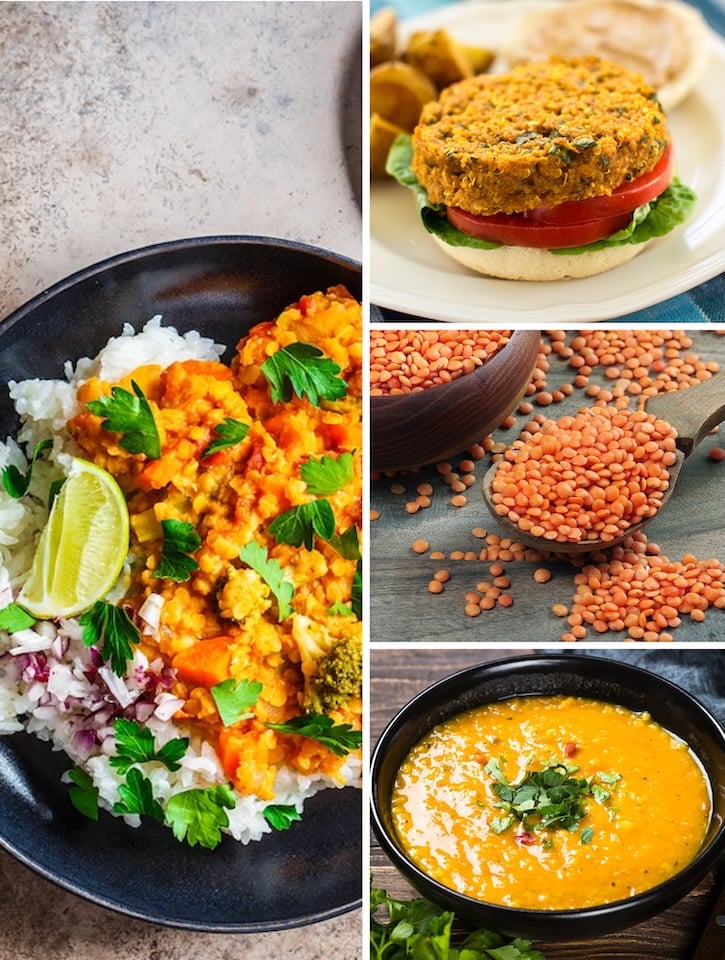
Transcending the boundaries of countless cuisines, red lentils move effortlessly from Indian dals and richly spiced curries to Mediterranean salads, creamy pasta sauces, and hearty meatless burgers. Once you discover just how much they can do, you’ll want to put them on regular rotation as a foundational ingredient.
If you’ve only used red lentils for soup before, you’re in for a savory treat. These little legumes can enrich familiar dishes, add plant-based protein to everyday meals, and even form the base of dips and spreads.
The flavor and texture of red lentils
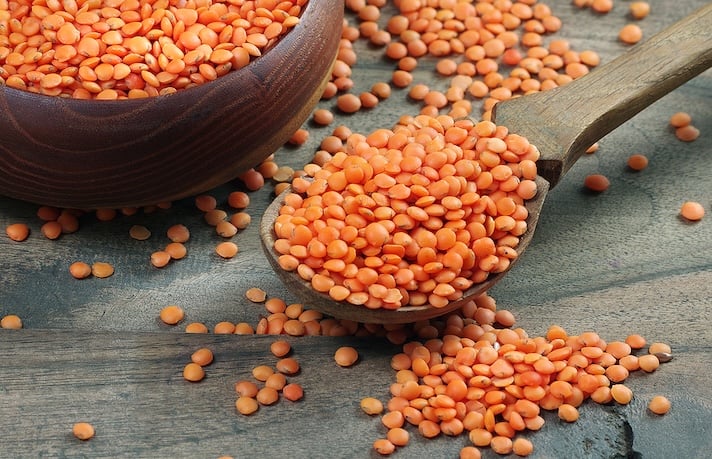
Red lentils are small, lens-shaped legumes that are usually sold split and hulled, which accounts for their distinctive appearance and quick cooking time. Despite their name, they’re often salmon pink or orange when dried, and turn a warm golden yellow as they cook.
Their flavor is mild, earthy, and subtly sweet, making them an accommodating foundation for both delicate and assertive seasonings. Unlike brown, green, or black lentils, which generally hold their shape when cooked, split red lentils soften quickly and tend to break down into a thick, creamy consistency.
That texture is their greatest culinary advantage. Red lentils are particularly good for dals, curries, pureed soups, stews, and whenever you want to add body to a dish without relying on cream or flour.

Buying and storing red lentils
Red lentils are widely available in supermarkets, natural food stores, Indian and other international grocery stores, and bulk-food sections. They’re typically sold in bags alongside other dried beans, peas, and lentils.
A few shopping and storage tips:
- Check the packaging. Choose lentils that look clean and relatively uniform, without visible moisture or signs of damage.
- Buy in bulk if you use them often. Bulk bins can be an economical option, especially when you want to purchase a smaller quantity before committing to a larger bag.
- Store them in an airtight container like a glass quart jar. Keep dried lentils in a cool, dry pantry, away from moisture and direct sunlight.

Easy Red Lentil Dal and Rice Bowls
How to cook red lentils
Dried red lentils don’t require soaking, making them especially convenient for quick, everyday meals. Cooking red lentils couldn’t be simpler. They need only a rinse, some liquid, and a short simmer.
Basic stovetop method
- Sort through 1 cup of dried red lentils, removing any small stones or debris, then rinse well in a fine-mesh strainer.
- Combine the lentils with approximately 2 – 3 cups of water or broth in a saucepan.
- Bring to a gentle boil, then reduce the heat and simmer gently until tender, stirring occasionally.
- Begin checking after about 8 to 10 minutes. Most split red lentils become tender in 10 to 15 minutes.
- Season to taste and adjust the consistency with additional liquid as needed.
The final texture depends on how long you cook them and how much liquid you use. For a dish where you want the lentils to remain somewhat distinct, stop cooking as soon as they’re tender. For dal, thick soups, and creamy sauces, let them cook until they break down completely.
A few more helpful cooking tips
- Use vegetable, mushroom, or vegan chicken broth instead of water for a more flavorful base, but mind the salt! These tend to be high in sodium, and you don’t want to overdo it.
- Add aromatics such as onion, garlic, ginger, or spices to the cooking liquid.
- Stir occasionally to prevent the lentils from sticking to the bottom of the pan.
- Remember that red lentils are supposed to become soft. Unlike other lentil varieties, a mushy texture is often exactly what you’re after.
- One cup of dried red lentils yields roughly 2 to 3 cups cooked, depending on the cooking method and final consistency.
Nutritional profile of red lentils
Red lentils pack impressive nutritional value into a tiny package. They’re an excellent source of protein and dietary fiber, making any meal feel more complete. They’re also rich in folate and are a good source of many minerals, including iron, potassium, and magnesium.
Pair them with vitamin C-rich foods, such as tomatoes, bell peppers, or citrus, to help your body absorb more of the iron. Here is the complete nutrition profile of red lentils.
What seasonings go well with red lentils?
Red lentils have a subtle flavor that could become fast friends with anything on your spice rack. They’re particularly good at absorbing the flavors of the ingredients they’re cooked with, so you can take them in many different culinary directions.
- Indian spices: Cumin, coriander, turmeric, garam masala, mustard seeds, curry powder, ginger, garlic, and chili are classic companions. Finish with fresh cilantro and a squeeze of lemon or lime. These flavors work especially well in dal and curry.
- Mediterranean herbs and aromatics: Garlic, onion, oregano, thyme, bay leaves, parsley, olive oil, and lemon impart bright, herbaceous notes. Add tomatoes, roasted peppers, or olives for more depth.
- Southwestern flavors: Smoked paprika, cumin, chili powder, garlic, oregano, and chipotle give red lentils a boldly savory character. Try them in tacos, burritos, chili, or a smoky tomato-based stew.
- Asian inspirations: Miso, soy sauce or tamari, sesame oil, ginger, and scallions offer a different direction. Sriracha, chili crisp, gochujang, or kimchi are all excellent ways to add a bit of heat. Use these ingredients to build a deeply savory soup or a creamy sauce for noodles and vegetables.
Don’t overlook the finishing touches. Fresh herbs, citrus juice or vinegar, and a drizzle of good olive oil can do wonders to brighten a pot of lentils just before serving.

Easy Uses for Red Lentils
Red lentils don’t have to be the star of the show to make a big impact. Their quick cooking time and soft texture make them useful in plenty of less obvious ways.
1. Add them to almost any vegetable soup
This is one of the easiest ways to incorporate more plant protein into everyday meals. Add a small amount of rinsed red lentils to many types of soup including mixed vegetable, minestrone, or any soup starring potatoes and greens. They’ll cook right in the soup, adding substance while helping thicken the broth as they soften. They’re especially good in soups with a curry vibe.
Start with about ¼ to ½ cup of rinsed raw red lentils per medium pot of soup, adding extra broth or water as needed. Allow roughly 15 – 20 minutes for them to cook through.
2. Make a heartier pasta sauce
Stir red lentils into marinara or a homemade tomato sauce while it simmers. As they soften, they’ll give the sauce a thicker, more substantial texture and contribute protein and fiber. Season with garlic, basil, oregano, and black pepper, then spoon over your favorite pasta.
3. Create creamy soups without dairy
Red lentils can give pureed soups a velvety consistency without the need for coconut milk, cashew cream, or flour-based thickeners. Cook them with carrots, cauliflower, squash, or sweet potatoes, then blend until smooth. They’re especially useful when you want a creamy texture with a more substantial nutritional profile.
4. Blend them into dips and spreads
Cooked red lentils can stand in for chickpeas in a hummus-inspired dip. Blend them with tahini, lemon juice, garlic, olive oil, and cumin until smooth. You can also experiment with roasted beets, carrots, or red peppers for extra flavor and color. Serve with raw vegetables, crackers, pita, or flatbread.

5. Use them in veggie burgers and patties
Their soft, cohesive texture makes cooked red lentils useful in plant-based burgers, fritters, meatballs, loaves, and savory patties. Combine them with cooked grains, finely chopped vegetables, herbs, and seasonings, plus breadcrumbs or another binder as needed. Chill the mixture before shaping and cooking to help everything hold together.
6. Bake them into breads and crackers
Red lentils can find their way into homemade flatbreads, savory quick breads, and crackers. For a quick, gluten-free side, you can blend soaked red lentils into a simple batter and cook into flatbreads on a skillet or griddle.
7. Give breakfast a protein boost
Red lentils aren’t just for lunch and dinner. Stir cooked lentils into savory oatmeal, add them to breakfast hash with potatoes and vegetables, or blend them into a batter for savory pancakes or waffles. With enough cinnamon and sugar, you can even turn them into batter for soaking French toast.

Curried Red Lentil Soup with Sweet Potatoes & Greens
Red lentil recipes to try
Once you have a bag in the pantry, there are infinite ways to put it to good use. In case all those possibilities feel overwhelming, these recipes are a great place to start.
Curry Coconut Red Lentil Soup: Shown above the section “Creative Uses for Red Lentils.” Coconut milk mellows the curry spices in this warming soup, while red lentils make every spoonful hearty and satisfying.
Loaded Masoor Dal Dip: Think of this as hummus with a twist: red lentils replace chickpeas in a creamy dip piled high with colorful, flavorful toppings.
Red Lentil and Quinoa Burgers: Red lentils and quinoa team up for hearty homemade burgers that bring plenty of substance to your next cookout.
Refried Red Lentils: Move over, pinto beans! Red lentils bring their own creamy texture to this clever riff on refried beans, ready to tuck into tacos or scoop up with tortilla chips.
Red Lentil Dal and Rice Bowls: A generous scoop of warmly spiced dal over rice makes for the kind of uncomplicated, comforting meal you’ll want in your regular rotation.
Turkish Red Lentil Salad: Red lentils take a fresh, herbaceous turn in this Turkish-inspired salad, a welcome change of pace from the usual warm bowls and stews.
Vegan Stove Top Mac & Cheese: Red lentils might not be the first ingredient you’d expect in mac and cheese, but they help form the creamy sauce of this comforting, dairy-free favorite.
Red Lentil Tofu: Who knew a bag of red lentils could become tofu? This soy-free alternative sets into a sliceable block that’s ready for marinades, stir-fries, and crispy pan-frying.
Vegan Omelette: Blended red lentils make an unexpectedly clever base for an egg-free omelette. Fill it with sautéed vegetables, herbs, or whatever needs using up in the fridge.
Red Lentil Brownies: Yes, you read that right. Watch this video on YouTube to make easy, fudgy brownies with a high-protein lentil base.
Contributed by Hannah Kaminsky: Hannah has developed an international following for her delicious recipes and mouthwatering food photography at the award-winning blog BitterSweet. Passionate about big flavors and simple techniques, she’s the author of Vegan Desserts, Vegan à la Mode, Easy as Vegan Pie, Real Food, Really Fast, Sweet Vegan Treats, The Student Vegan Cookbook, Super Vegan Scoops, and The Everyday Vegan Cheat Sheet Pan. Visit Hannah at BittersweetBlog.com.
Leave a Reply