
Discover vegan and vegetarian-friendly traditional foods and drinks of Nepal, including dal bhat, thukpa, ginger tea, Himalayan herbal drinks, and local honey.
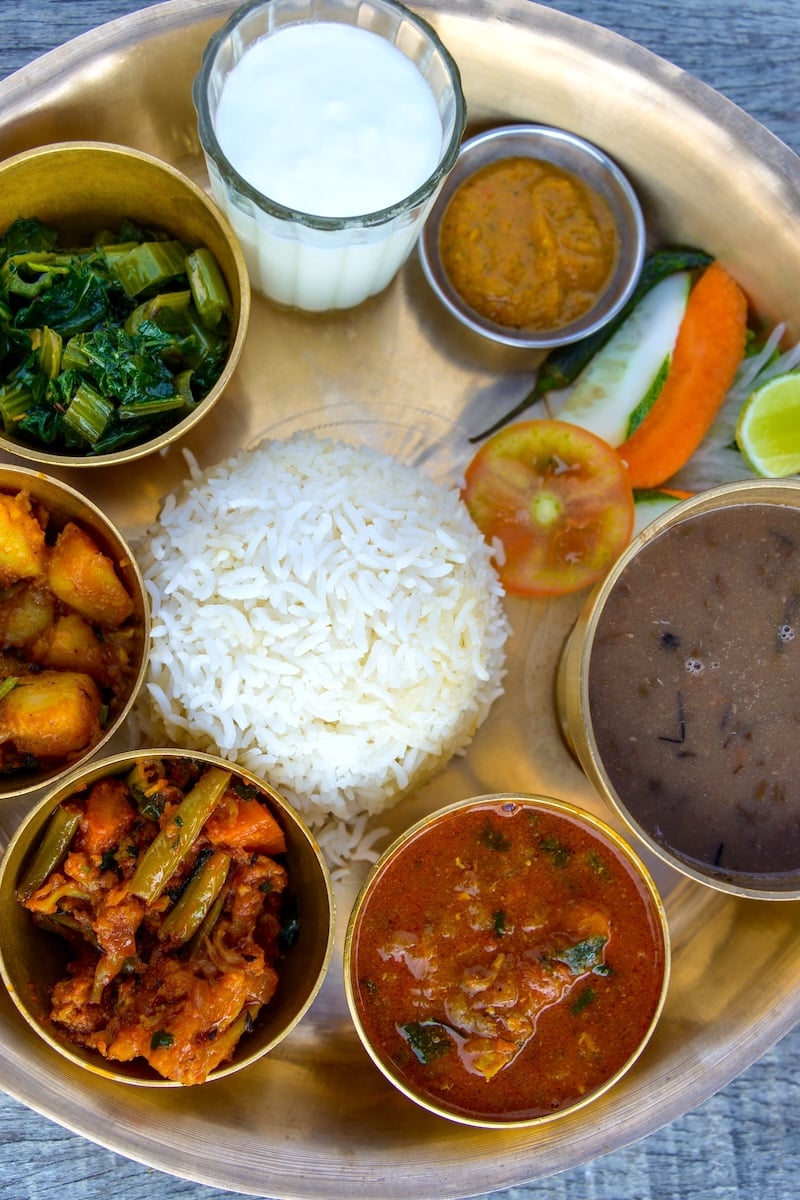
What is the taste of the Himalayas? It can be a warm cup of ginger tea after a cold morning, a steaming bowl of thukpa in a mountain village, or a generous plate of dal bhat waiting at the end of a long trekking day.
Food is a big part of traveling through Nepal. Each region has its own ingredients, cooking styles, and traditional drinks shaped by the local climate and culture. A meal in a small mountain teahouse can give travelers a glimpse into everyday life in the Himalayas, while local honey and herbal drinks offer flavors that may be new to visitors.
Whether exploring Nepal’s cities, visiting mountain villages, or trekking through the Himalayas, these traditional foods and drinks are worth trying along the way.
What Are Some Traditional Foods and Drinks to Try in Nepal?
Exploring traditional foods and drinks is a great way to experience Nepalese culture. Across Nepal, local communities use simple ingredients, herbs, spices, and natural products to prepare meals and drinks that have been part of daily life for generations. Some traditional drinks are also valued as home remedies for common discomforts such as a cold, sore throat, or feeling run down.
From warm ginger tea in the mountains to a filling plate of dal bhat, these foods and drinks bring together local flavors and everyday traditions. Here are 5 traditional foods and drinks to try during a trip to Nepal.
Pure Honey (locally sourced)
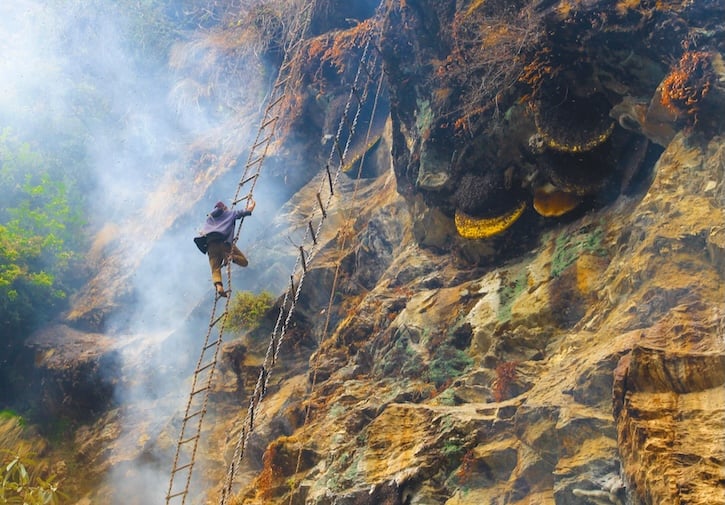
Honey isn’t always considered a vegan food, so this one is for the “bee-gans.” Honey is a popular Himalayan product, with bees collecting nectar from flowers and plants around mountain villages.
The rare Apis laboriosa bee produces the famous Himalayan mad honey, which is harvested mainly in spring and autumn from hives found on steep mountain cliffs. Its potency can vary depending on the flowers and location. The rarest harvest of mad honey is highly valued because it comes from hives located higher on the Himalayan cliffs than those used for other harvests.
Some people enjoy mad honey with tea or breakfast and describe a relaxing feeling after consuming a small amount. Travelers can buy mad honey directly sourced from local mad honey hunters, and choosing lab-tested honey is a good way to check its quality and composition.
Dal Bhat
Dal bhat is a staple meal in Nepal and a favorite among travelers. The meal usually comes with rice, lentil soup, vegetables, pickles, and other side dishes. See the photo at the top of this post. The ingredients and flavors can be different from one place to another.
A plate of dal bhat provides plenty of energy for a day. Many Nepalese lodges serve generous portions, and travelers can ask for more rice or lentils when they are still hungry.
The meal is simple, filling, and closely connected to daily life in Nepal. Trying dal bhat at a local restaurant or mountain teahouse gives visitors a chance to enjoy one of the country’s most familiar traditional meals.
Thukpa
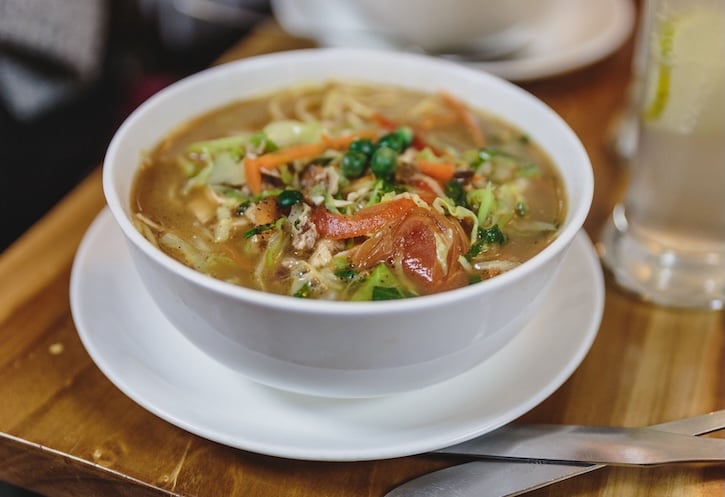
Thukpa is a warm noodle soup popular in Nepal’s Himalayan communities. The dish has strong Tibetan influences and is prepared in many different ways. Noodles are served in a flavorful broth with vegetables, herbs, and spices. Meat may be added in some versions, so make sure you ask for a meatless thukpa.
Vegetable thukpa makes a hearty plant-based meal, with ingredients such as cabbage, carrots, onions, greens, and other seasonal vegetables adding texture and flavor. The hot broth and noodles make it a comforting choice during cold mountain days.
Anyone ordering thukpa at a restaurant or teahouse can ask whether the broth and noodles contain dairy, meat stock, or other animal ingredients.
Ginger Tea
Ginger tea is one of the simplest traditional drinks found across Nepal. Fresh ginger is added to hot water or tea, producing a warm drink with a mild spicy flavor.
Ginger has a long history in Nepalese cooking and traditional household practices. A hot cup of ginger tea is commonly enjoyed during cold weather and can be served at home, in local tea shops, and in mountain communities.
The recipe is naturally plant-based when prepared with water or black tea without milk, making ginger tea an easy option for anyone following a plant-based diet.
Himalayan Herbal Drinks
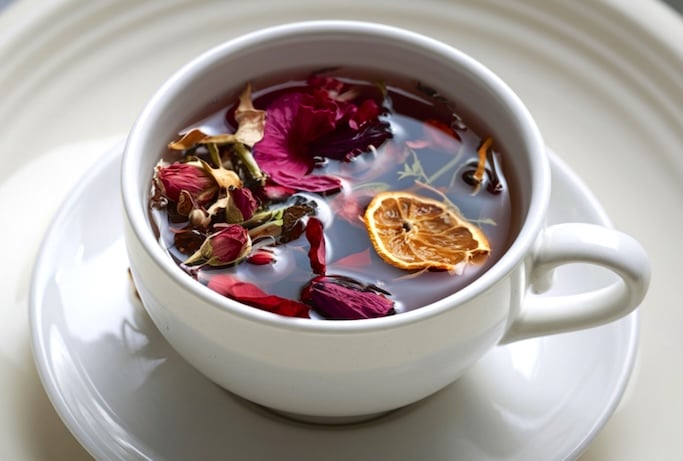
Herbal drinks are part of traditional food culture in different parts of Nepal. Local communities use a variety of herbs, leaves, roots, and spices to prepare warm drinks, with recipes changing from one region to another.
Ginger, mint, and other locally available plants may be used in herbal teas. Some preparations are also connected with traditional knowledge and household remedies passed down through generations.
Many herbal drinks are naturally plant-based, although ingredients can vary. Checking the preparation is useful when following a vegan diet, since some traditional drinks may include milk, butter, or other animal-derived ingredients..
Conclusion
Nepalese food offers much more than famous dishes. Its traditional meals and drinks reflect the country’s landscapes, communities, and connection with locally available ingredients. Simple foods such as dal bhat and vegetable thukpa show how satisfying plant-based meals can be, while ginger tea and herbal drinks highlight the role of plants in everyday food traditions.
Exploring these flavors also reveals how food changes across Nepal. Mountain communities have developed their own ways of preparing meals and drinks based on the ingredients available around them.
Anyone interested in plant-based food will find plenty to explore in Nepal. A little attention to ingredients is usually enough to discover traditional dishes that fit a vegan lifestyle while still enjoying the flavors and food traditions of the Himalayas.
Leave a Reply