
Intensely flavorful and aromatic, yet well balanced, Thai cuisine engages all senses at once. Learning to craft such complex flavor profiles takes practice and bit of knowledge about the key ingredients. Here’s a concise guide to the essential flavors and seasonings of Thai cuisine.
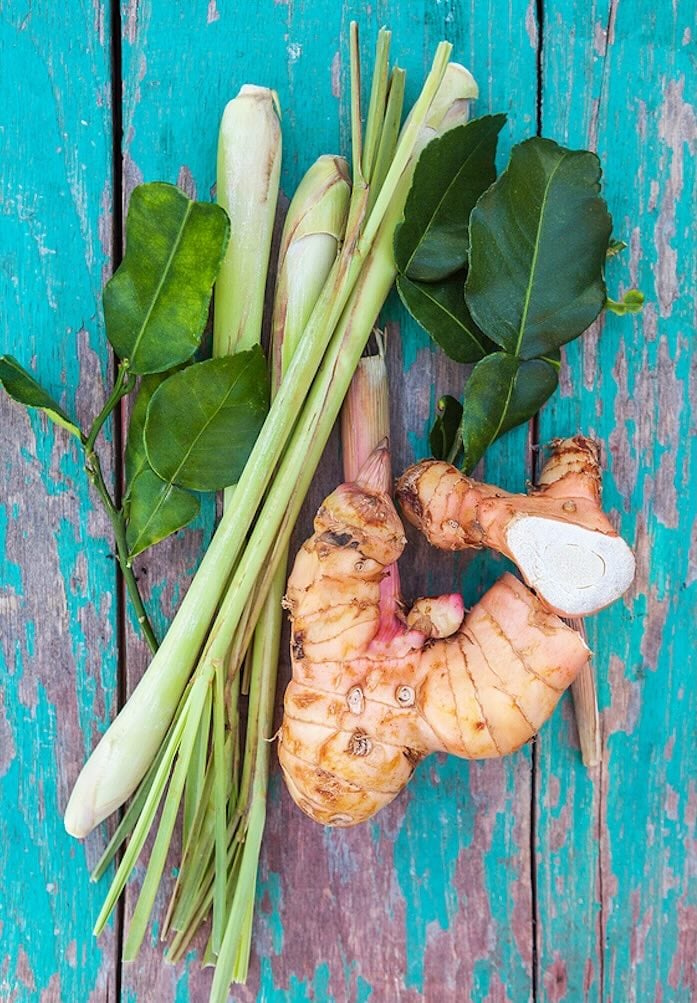
Blending sweet, spicy, salty, sour, umami, and bitter notes into the very same bite, being able to harmonize so many bold elements is what defines these dishes.
Understanding the nuances behind each essential herb, spice, and seasoning blend is the first step to cooking authentic-flavored Thai food at home.
Building Your Thai Cuisine Pantry
Exploring Thai spices and seasonings is less about mastering a cuisine and more about expanding your sensory vocabulary. Each herb and chili introduces a new accent you can layer into your own cooking, whether you’re following a recipe to the letter or riffing on a weeknight.
Once you tuck a few of these staples into your pantry, you’ll find yourself reaching for them instinctively, chasing brightness, depth, and that unmistakable Thai sparkle. The beauty of this pantry is that it asks for curiosity more than perfection, and rewards even the smallest bold step with unforgettable flavor.
The Aromatic Triad: The Heart of Thai Flavor
Whereas European cuisines rely on a mirepoix of carrots, onions, and celery to form their foundational savory flavors, Thai cuisine goes straight for a powerhouse of vibrant aromatics. Though there’s no direct equivalent, these are some of the most distinctive elements that set this style of cooking apart from the rest.
Lemongrass (takrai)

Bright and citrusy, with a whisper of ginger, lemongrass is the thread that ties many Thai soups, stews, and curry pastes together. Bruising the stalk with the back of a knife or a quick whack against the cutting board releases its essential oils. Its perfume is unmistakable, and even a single stalk can transform an entire pot of soup.
The spent stalk is typically removed and discarded before serving, like bay leaves, as it’s very fibrous and difficult to chew. Recipes for curry pastes may include whole stalks of fresh lemongrass to unlock its full flavor potential, but it must be thoroughly pureed for the best texture.
Avoid dried lemongrass found in the baking aisle; the flavor is more evocative of hay than this tropical superstar. To put this distinctive taste front and center, try one of the following recipes:
Galangal (kha)
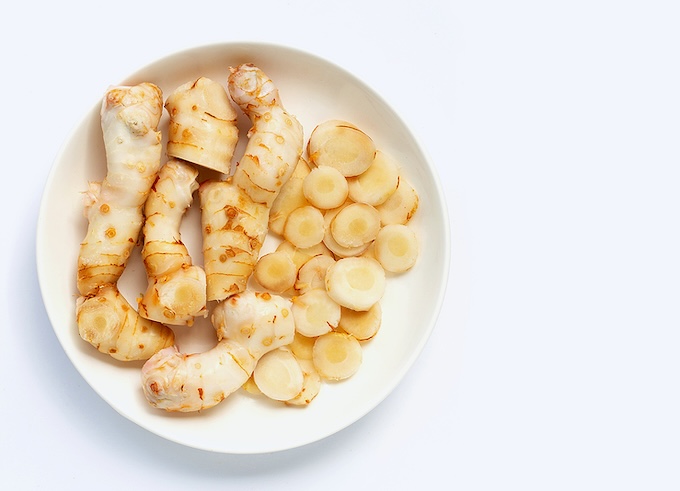
Most frequently compared to ginger, galangal is a similar spicy root but sharper, more peppery, and slightly piney, forming the backbone of tom kha and many curry pastes. Most commonly sliced into rings or chunks, it serves to infuse its flavor before being removed at the end of the cooking process.
Galangal can also be minced or grated like ginger and left in. If you can’t find fresh galangal, frozen is excellent, and dried slices rehydrate surprisingly well. Galangal truly shines in these dishes:
Makrut Lime Leaves (bai makrut; formerly kaffir lime)
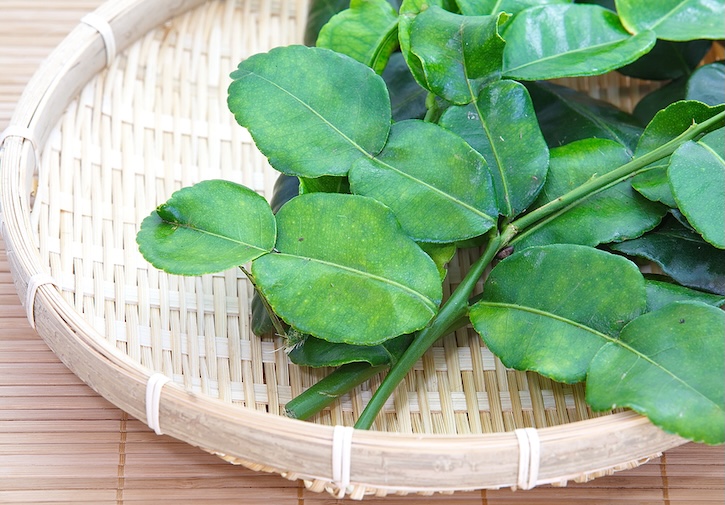
Formerly known as kaffir lime, theses glossy, double-lobed leaves are scented like lime zest dialed up to eleven. They add a floral, citrus lift that brightens green curries, soups, and stir fries.
They’re typically added whole and discarded once spent. Peel from the whole makrut lime can be substituted in a pinch, though they lack the more delicate, herbaceous notes of the leaves. You can really taste the difference when you try these dishes:
- Thai Green Curry
- Crispy Sesame Soy Tofu with Kaffir Lime Pesto
- Vegan Rice Pudding and Candied Kaffir Lime Leaves
Herbs That Brighten and Balance
More than a mere garnish adding a pop of greenery to an otherwise drab plate, herbs can form a substantial portion of many dishes. They can be cooked or raw, chopped or whole, unlocking a wide range of textures and flavors with a few subtle variations.
Thai Basil (horapha) and Holy Basil (kaphrao)
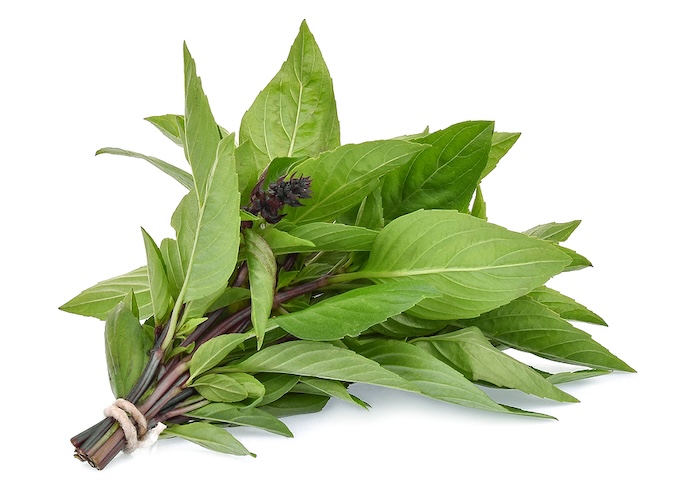
Thai basil has a sharp licorice edge and a peppery aftertaste that holds up even in high heat. It’s more assertive than Italian basil, with a slightly bitter undertone if used in great quantity.
Holy basil is even more intense than Thai basil, with a clove-and-pepper forward flavor. It can be harder to find outside Southeast Asian markets, but worth the search. If needed, you can mix Thai basil with a pinch of fresh mint to approximate some of its sharpness.
Excellent examples of these basils at work include:
Cilantro (phak chee)
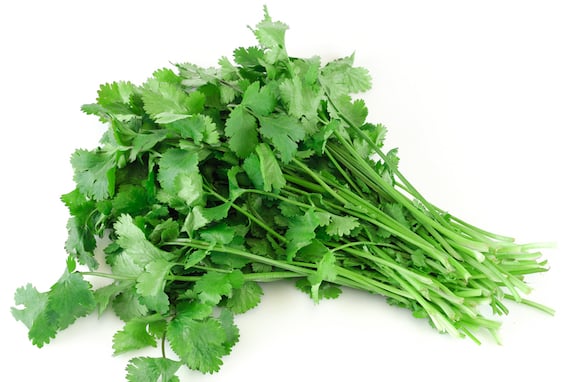
Cilantro is no stranger to cooks in North America, but Thai chefs look beyond the feathery green leaves. In addition to their foliage and stems, the roots are invaluable; earthy, pungent, and deeply aromatic. They’re often pounded into curry pastes or marinades.
For those of you who have the kind of palate that reads its flavor as soapy, skip this part. For the rest, these recipes are ideal for accentuating the full plant’s potential:
Bringing the Heat: Chilies & Peppers
Thai food does not play around when it comes to spices. Ordering something from a restaurant as “Thai spicy” is asking for a world of hurt if you’re not prepared. Each one of these fiery ingredients can pack a punch and are best used sparingly.
Bird’s Eye Chili (prik kee noo)
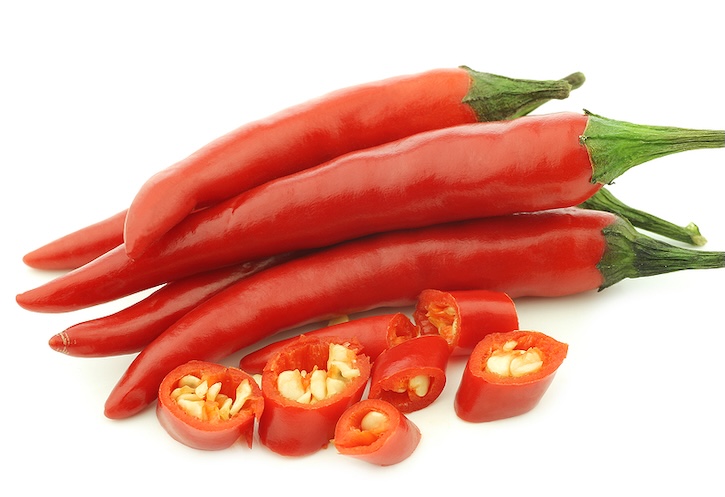
Small, pointed, and fire engine-red, these are the chilies that give Thai cuisine its signature heat. They have a subtly fruity flavor underneath the fire, making them perfect for sauces, curry pastes, and stir-fries. Whether cooked or raw, a little bit goes a long way.
Season to taste in these dishes:
Sriracha

Though almost all Asian cultures have assimilated this beloved hot sauce into their own cuisines, sriracha originally hails from Thailand.
Offering a gentler heat with a sweet, garlicky finish, a drizzle can do wonders to brighten up a boring dish. It’s a great way to ease the more spice-averse into trying hotter seasonings and can be used interchangeably with just about any mild to medium hot sauce.
No recipe is needed to start spicing things up, but here are a few good ideas to really feature the sauce:
Green Peppercorns (prik thai)
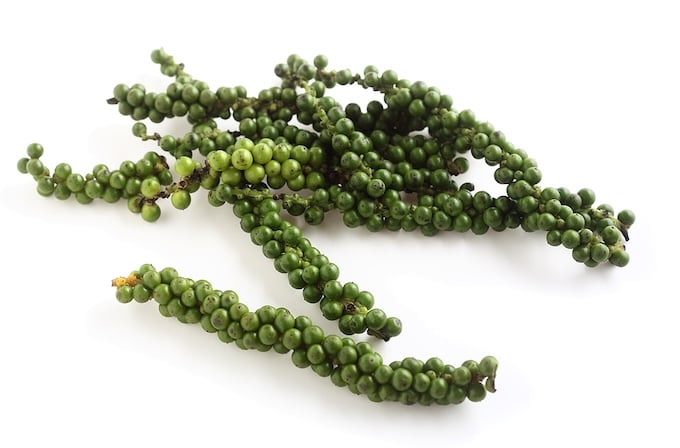
If black pepper is a spark and white pepper is a warm glow, green peppercorns are a whole springtime in bloom; fresh, floral, slightly citrusy, and wonderfully alive. They’re picked young, before the peppercorns mature and darken, which gives them their verdant brightness and gentle heat.
In Thai cooking, green peppercorns are often added in clusters, still on the stem. Though they’re served whole, they’re meant to be picked around or picked out.
Fresh green peppercorns can be hard to find, but when you do, treat them like short-lived seasonal produce. Stir-fry them quickly to keep their perfume intact, simmer them briefly in curry for a mellow warmth, or muddle them into marinades where they lend an almost lemony lift.
Brined versions can be found in jars but do have a notably salty finish. Recipes that celebrate green peppercorns include:
- Jungle Curry (Kaeng Pa)
- Green Peppercorn Soba
- Stir-Fried Tofu in Yellow Curry with Green Peppercorns (khua kling)
Pantry Staples to Stock Up On
In addition to fresh ingredients, many shelf-stable seasonings make frequent appearances in Thai recipes. Traditional Thai cuisine often leans on fish-derived ingredients, but there are excellent vegan alternatives that deliver equal depth and balance.
Vegan “Fish Sauce” (nam pla)
The magnetic pull of fish sauce isn’t created by the actual fish. It comes from fermentation and the salty umami bomb that results. Fortunately, a host of vegan versions recreate this beautifully using seaweed, mushrooms, pineapple juice, or fermented soybeans. They’re perfect in curries, dressings, and dipping sauces where a deeply savory hit is crucial.
If you’re feeling industrious, it’s not hard to whip up your own homemade version from scratch. A little splash can add values of flavor, as seen in these recipes:
Tamarind Paste (makham)
The sour backbone of pad Thai and many curries, tamarind is a fruit with a hard-shelled pod that contains sticky pulp. It’s easiest to work with when purchased as a prepared paste, rather than fresh.
The flavor is tangy, dark, and fruity; not just a blast of acidity but a fully developed sourness. It replaces vinegar or citrus where a deeper, more rounded tartness is needed. Tamarind paste is the secret ingredient balancing out many East Asian recipes, such as:
Palm Sugar (nam tan peep)
Sweet like caramel, mineral-rich, and mellow, it balances and helps tone down the sharp bite of chilies, bright herbs, and acidic ingredients. If unavailable, coconut sugar or even dark brown sugar can make fine substitutes.
A touch of sweetness makes these recipes sing:
Where to Find Thai Ingredients in the U.S.
The good news for anyone building a Thai pantry is that sourcing these ingredients in the U.S. has never been easier. Many of the essentials have migrated into mainstream supermarkets, while specialty stores (both brick-and-mortar and online) offer the full culinary spectrum.
When it comes to shopping locally, Asian specialty stores will always be your best bet.
- H Mart carries primarily Korean goods, but always has a strong Southeast Asian section, especially when it comes to fresh herbs (Thai basil, makrut lime leaves), bird’s eye chiles, galangal, and fresh lemongrass.
- 99 Ranch Market is an excellent option for curry pastes, coconut milk, Thai chiles, fresh herbs, and harder-to-find produce like green papaya and lotus root.
- Patel Brothers focuses on Indian cuisine, though it’s a surprisingly good stop for picking up spices overlapping with Thai cooking, like coriander, cumin, cardamom, chili powders, and tamarind.
- Local independent Thai/Vietnamese markets are often the best source for truly fresh and hard to find specialty produce like banana blossoms, fresh green peppercorns, makrut lime leaves, and Thai eggplants.
Mainstream grocery stores often have a specific aisle or section for imported goods, spanning global cooking staples. Don’t forget that common staples like shallots, garlic, and ginger are equally important for making the best dishes, ensuring that even “inauthentic” dishes are entirely delicious.
- Whole Foods carries Thai basil and lemongrass in some of the larger, more diverse stores, and coconut milk, red and green curry pastes, and vegan fish sauce are often available in the inner aisles.
- Wegmans, Kroger, Safeway, Publix, and more typically stock the basics like ginger, canned coconut milk, tamarind paste, chili sauces, and rice noodles.
- Trader Joe’s is great for snagging affordable coconut milk, curry paste, and assorted noodles, though you never know exactly what you’re going to find.
Online sources
For those living in less urban areas, or those looking for particularly elusive ingredients, online resources offer one-stop shopping solutions.
- Importfood.com: One of the most comprehensive U.S.-based Thai grocers online, you can find fresh specialties like galangal, makrut lime leaves, green peppercorn, whole tamarind pods, and all sorts of chilis along with vegan curry pastes, palm sugar, and single-origin spices.
- Umamicart.com: A well-curated online Asian grocer with fast shipping, you can grab everything from fresh Thai basil to lemongrass, and even stock up on tofu, enoki mushrooms, and baby bok choy while you’re at it.
- Sayweee.com: A pan-Asian grocery delivery service available in many U.S. cities, they often have compelling deals on a wide selection of fresh Thai herbs and vegetables, plus pantry items.
- Amazon.com: Surprisingly reliable for meal starters like curry pastes, coconut milk, brined green peppercorns dried makrut lime leaves, Thai chili powders and whole dried chiles, just be sure to check labels, descriptions, and reviews to make sure everything is vegan.

Learn how to grow 5 Asian herbs at home, including some of those above.
Contributed by Hannah Kaminsky: Hannah has developed an international following for her delicious recipes and mouthwatering food photography at the award-winning blog BitterSweet. Passionate about big flavors and simple techniques, she’s the author of Vegan Desserts, Vegan à la Mode, Easy as Vegan Pie, Real Food, Really Fast, Sweet Vegan Treats, The Student Vegan Cookbook, Super Vegan Scoops, and The Everyday Vegan Cheat Sheet Pan. Visit Hannah at BittersweetBlog.com.
Thank you so much for such a helpful round up!
We adore Thai food and have been meaning to try cooking more authentic versions at home. This was a very helpful list, especially the suppliers and “fresh versus dried” analysis of particular ingredients.
Thank you, Corrie. Credit where due, to Hannah Kaminsky, who wrote this detailed article!