
What can you do with ripped shirts, worn-out towels or old blankets? Here are 10 ways to live more sustainably and avoid textile waste, including reusing, recycling, and upcycling.

Most have environmental consciousnesses when it comes to recycling plastic or being mindful of our food waste, but we may forget to do the same with fabrics.
It’s estimated that the fashion industry alone produces 10% of global carbon emissions – this doesn’t even include other textiles like towels or linens. Globally, each year 92 million tons of textile waste is produced. For every American 81.5lbs of textiles are sent to the landfill annually.
Upcycle
Upcycling is defined as reusing discarded materials in a way that increases its value. Crafting, dying, and reworking are all ways of upcycling old textiles. This could mean simply cutting ripped jeans into shorts, dying a faded shirt, or more involved projects like braided rugs.
Sometimes known as “rag rugs,” braided rugs were popular for using old bedsheets and scraps in the American Colonies. The technique was adopted from the even earlier tradition of Native American weaving. Other examples of braided rugs can be found worldwide. Looking to the more frugal traditions of the past is a great way of finding sustainable ways of upcycling.
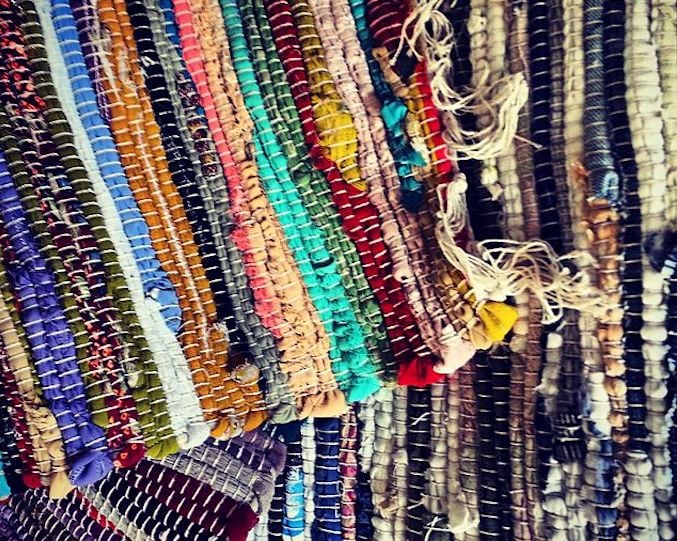 Rag rugs are a fun way to use scraps of fabric
Reuse
Reusing textiles can mean a wide array of things. Before tossing an item take a look at it and consider if it could be useful for something other than its original purpose. Old bath towels or t-shirts are easily cut into rags for dusting or cleaning up spills. This is a great way of cutting back on paper towel use too.
Flat bedsheets can be used in place of drop cloths for home improvement projects – even some professional tradesmen do this! The next tip is helpful for what to do once you’ve reused something until the end of its life…
Compost
If you compost or have space in your yard, you could allow old textiles to naturally decompose!
Start by checking the care tags on the piece you’re disposing of to ensure that it’s made of 100% natural fibers – wool, cashmere, silk, linen, cotton, hemp, bamboo, and rayon.
When in doubt, it’s best to opt for a different method of disposal. Next, cut off any buttons, tags, zippers, elastic, or decorative graphics on t-shirts. Then the fun part – cut or rip the fabric into small strips or squares. The smaller the pieces the quicker they will decompose. Finally, bury it or mix it into your compost.
Donate to Thrift Shops
Thrift stores, as we know them today, got their start over 100 years ago to raise funding for social welfare programs. Most commonly, Churches had thrift shops. Today, in addition to big chains (Goodwill, Salvation Army, etc.) there are still so many small local church thrift shops.
Small thrift shops extend beyond churches too! There are thrift stores that benefit the SPCA, mental health programs, youth outreach, social justice initiatives, community centers, and more. By donating to local thrift shops funds can directly uplift your community.
Donations rules differ by location. Generally, donations should be clean, without damage, and packed in bags. Light wear and tear are okay – depending on the thrift shop they may have a discount rack or free bin for items they feel are usable but too worn.
Some small thrift shops don’t have their hours listed online. Ask around in your community.
If the thrift store is a non-profit (most are) you can ask for a receipt which allows you to claim a tax deduction for your charitable donation!
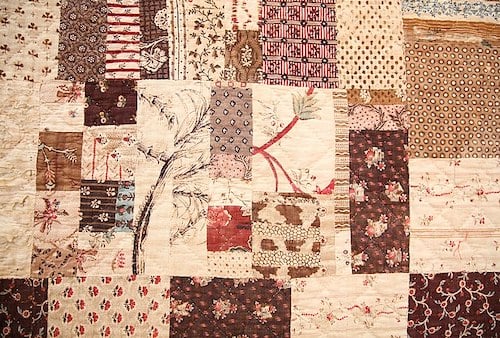
Donate to Programs
So many programs are in need of donations. It’s hard to list them all – like with the thrift store, ask around if anyone knows of a place in your community looking for donations.
- Animal shelters need towels, blankets, and flat sheets in addition to any animal-related items like toys or leashes. Many are also in need of non-textile donations like laundry detergent, office supplies, and food.
- Rehabilitation or mental health facilities are often looking for clothing. Some patients may come in only with what they are wearing. These facilities also may be looking for items like books, notebooks/journals, art supplies, and DVDs.
- Women’s shelters need everything from clothing to bed linens for both women and children. Some people are starting completely over and need everything. Find a shelter near you with a “Wish List” here.
For a list of other programs, like Dress for Success, a program providing business wear to those in need, find more information here.
Don’t be afraid to ask around and think outside the box too! Get creative when it comes to finding a new home for your items. Costumes for community theater. Fabric for a friend who quilts.
 Animal shelters are in need of towels and blankets
Recycling Programs
There are a variety of recycling programs. The ones most people are familiar with are roadside donation bins. Maybe you’ve noticed these colorful metal boxes on the far edge of a parking lot or neck to a gas station. If you weren’t aware of what they are, they’re for textile recycling.
In some cases, items are distributed to stores for resale. In most cases, items from these bins are shipped overseas to be recycled into rags or broken down to be used for mattress stuffing or insulation. Read more about these bins here.
Some brands like Nike, Reformation, and Patagonia offer clothing recycling programs. Some, like Reformation, offer store credit for donations. More here.
There are countless other recycling programs to explore, like Terracycle.
Recycling programs are a great choice as opposed to tossing an item but are best used as a last resort. If the items you’re donating are clean and usable, you’d be doing the most good by donating directly to a charity or organization in your community.
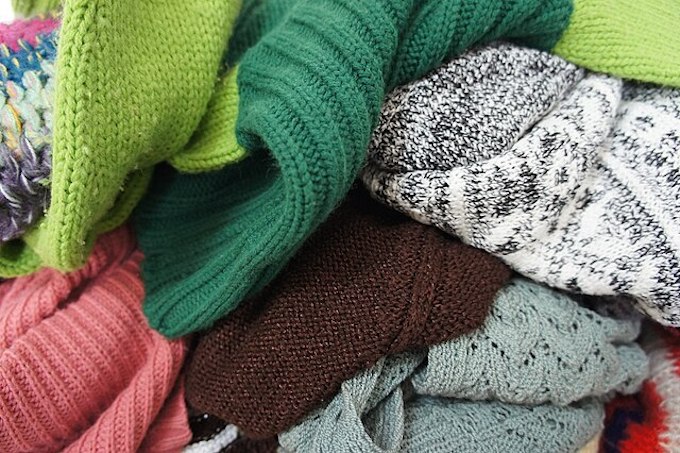
Try consigning clothing that’s still good, but that you can’t use any longer
Resell
Resale platforms are a great way of reducing waste especially when you have an item that might be desirable – clothing you never got around to wearing, a vintage quilt, or high-quality curtains. Find a local consignment shop or online consignment platform like ThredUp.
Often eco-conscious shoppers or someone looking for an item at a more affordable price will check out resale platforms like eBay, Depop, Mecari, and Facebook Marketplace before opting to buy new. While you may no longer want it might be exactly what someone else was looking for… and it’s a little extra cash in your pocket!
Fix It
Fix those damaged items you still love! Rarely is there something that can not be mended! Tailors or a friend who sews are great resources for a more sustainable lifestyle. If paying for repairs is not in your budget, check out a Repair Café. At these events, skilled volunteers from the community repair items for free! (Not just textiles! Bikes, vacuums, computers, lights, etc.)
Don’t give up if you don’t see a town nearby you listed on the official Repair Café map! Many local libraries, colleges, churches, and community centers hold their own repair cafés that aren’t affiliated with the international foundation. Keep your eye out for flyers on community bulletin boards.
This goes for ill-fitting pieces as well. Having alterations done is worthwhile. A tailor can transform and breathe new life into an item.
Clothing Swaps
Clothing swaps are a place for people to come together and trade clothing, typically for free. Places like smaller independent vintage clothing, craft, and outdoor gear stores will hold clothing swaps in addition to parenting groups, colleges, or community centers. Consider organizing a clothing swap in your community or among friends!
Similar to clothing swaps, there are many “buy nothing” groups on Facebook.
Just keep using it!
“Fast fashion’s” impossibly short-lived trend cycles are designed to make us bored with old items and want to buy more. Before getting rid of an item, take a moment to really consider it. For example, sometimes we get rid of clothing we might actually like because we feel it’s no longer “trendy.”
Enacting mindfulness and learning to love what we already have is a way of fighting against a very wasteful fashion industry. Certainly, our bodies change, certain clothing items no longer suit us, or something becomes damaged beyond repair, but in some cases, we may just need to adopt a new way of thinking about our items.
. . . . . . . . . .
More tips for reusing and rescuing fabric items
- NYT How to Get Rid of Old Clothes
- Guide to Textile Recycling: From Atlantic County Utilities Authority – check to see if your local municipality has a similar online guide.
Upcycling
Mending
- How to Replace a Button
- Japanese Sashiko Mending : Beginner friendly. Great for jeans.
Fashion Industry
Leave a Reply