
What are the varieties of tofu, and what are the differences between them? This quick guide details the most common tofu varieties — silken, firm, extra-firm, super-firm, sprouted, and baked, and the best uses for each.
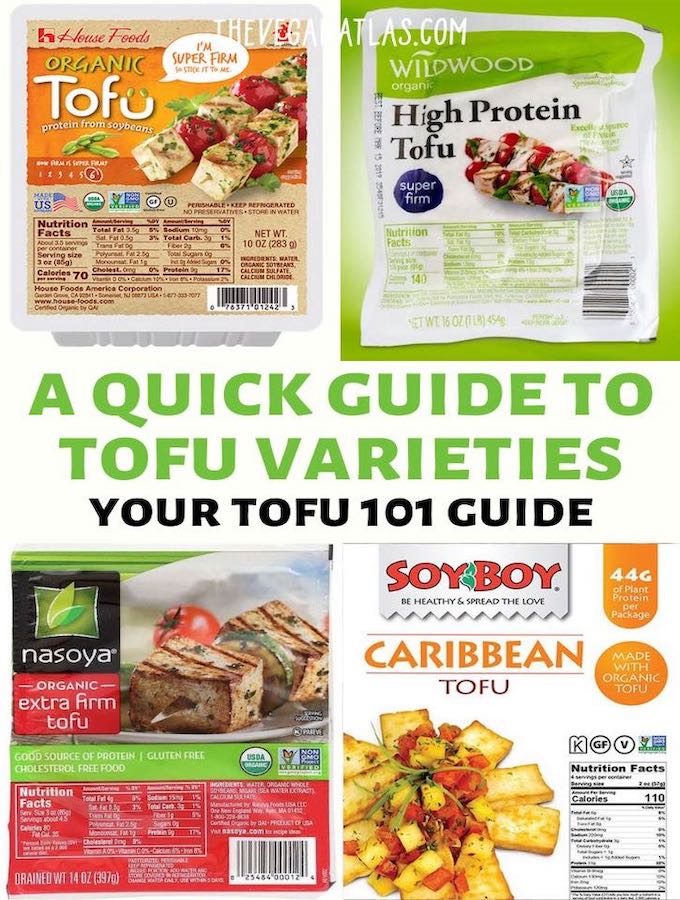
Tofu has been such a plant-based staple for decades (not to mention the millennia in which it played a starring role in Asian cuisines) that it’s easy to forget that there are still plenty of newbies discovering it all the time. That alone merits this primer, though even for tofu aficionados, fresh inspiration is always welcome.
What is tofu made of?
Basically, tofu is made from soymilk that has been coagulated into blocks. It’s believed to have originated in China, where it has often been referred to as bean curd, more than two thousand years ago. Tofu long has been a staple food in China, Japan, and many other Asian countries.
To make tofu, soybeans are partially cooked, then pureed. Soy milk is extracted, then poured into shaping containers and solidified with one of two natural coagulants — nigari or calcium sulfate. The process is somewhat analogous to making cheese from milk.

Is tofu good for you?
Tofu is rich in easily digestible protein, low in calories and fat, and is a good source of calcium, iron, and B vitamins. Here’s more on the general nutrition profile of tofu, though it will vary slightly between the different varieties.
To allay a common concern, most commercially prepared tofu is made from organic soybeans, and is in effect non-GMO.
The most common tofu varieties
The very characteristics that can make tofu perplexing — its blandness, and in some cases mushiness, can be among its greatest assets. Though there are many more tofu varieties in Asian countries and cuisines, here are some of the most common varieties in the Western marketplace, and some of their best uses.
Silken tofu
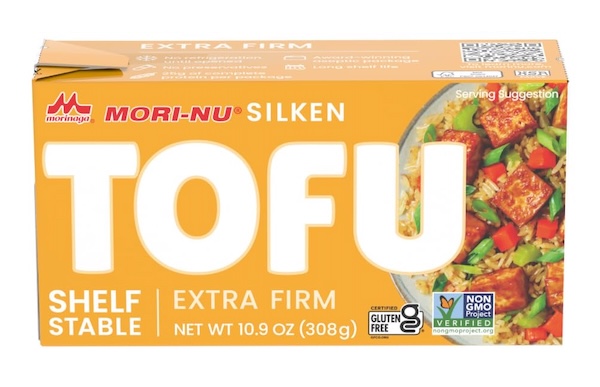
Available in tubs or aseptic packages, this type of tofu is quite soft and very smooth. It’s ideal to puree and use as a base for soups, dressings, and dips, and creamy sauces, like Alfredo. It also makes an excellent dessert pudding or pie filling. Silken tofu comes most commonly in firm and extra-firm, which are really quite similar and interchangeable. Make sure to see the link to the roundup of silken tofu recipes on this site, at the end of this post.
Brands: Mori-nu (10.9-ounce aseptic packages — not long ago they were 12.3); these are shelf-stable for quite a while and good to keep on hand in the pantry), Nasoya, Azumaya (the latter two come in 16-ounce tubs and need refrigeration at all times, unlike the Mori-nu).

Firm or extra-firm tofu
Available in water-packed tubs, use one of these varieties when you want tofu to hold its shape in a dish. The tubs come in 12, 14, and 16-ounce weights. Firm tofu can go both ways — it crumbles well for scrambles or eggless salad; but well blotted or pressed, it can crisp up or hold its shape like extra-firm.
Please note, soft tofu used to be more commonly available in the tub variety; it seems to have all but disappeared. Use firm tub tofu in its place.
Extra-firm tofu is used to best advantage in Asian-style stir fries and stews, as well as made into cutlets or nuggets. Brands: Nasoya, Azumaya, House Foods, Hodo, Wildwood, Woodstock, store brands.

Super-firm tofu
This variety of tofu is quite dense, with a texture that’s on the drier side. It doesn’t need much blotting or pressing, if at all. It’s an especially good stand-in for feta cheese, or for ricotta, when finely crumbled and moistened with a little plant-based milk. Crumbled into stews, it absorbs flavors and adds texture.
Because it has less water, each serving yields more protein than the other types of tofu. Brands: Nasoya, Wildwood, House Foods, store brands.

Sprouted tofu
This variety of tofu can is often made from sprouted soybeans and/or in some way enriched with extra nutrients. It’s somewhat higher in protein, vitamins, and minerals than the usual varieties and is available in firm, extra-firm, or super-firm varieties. Use super-firm sprouted tofu in the same ways suggested for super-firm, above, and the firm and extra-firm.
Brands: Wildwood, Nasoya, store brands.

Baked tofu
Sometimes called marinated tofu, Look for this chewy, dense, and flavorful form of tofu in natural foods stores. It comes in a variety of flavors such as teriyaki, Caribbean, smoked, and more, and is ready to use straight from the package.
Baked tofu can be used in hot dishes including stir fries, casseroles, and tortilla dishes (such as fajitas) or in cold fare like sandwiches and salads. This might just be the kind to win over tofu skeptics.
Make sure to see this roundup of Easy, Versatile Recipes Using Baked Tofu. Brands: Nasoya, SoyBoy, House Foods, Hodo, and some store brands. You can also make your own Homemade Teriyaki Baked Tofu.
How to Blot or Press Tofu
Hilarious tales of pressing tofu are common, and feature cans, small appliances, heavy skillets, and so on, precariously balanced in a quest to extract excess water. To be honest, you need not stress about pressing. If you’re short on time, skip it.
For preparations like scrambles, pressing tofu is not necessary, though a brief blotting, as described below, is most always recommended for water-packed tofu.
Firm or extra-firm tofu are the varieties that most often benefit from at least a good blotting. Doing so allows them to hold their shape as well as absorb the flavors of what they’re being prepared with.
To do this, drain the tofu and cut the block crosswise into 6 more or less equal slabs. Lay on a clean tea towel or several layers of paper towel. Press down gently with your hands to help remove some of the moisture.
To press tofu, start with the same procedure for blotting, above, but use a few extra layers of towel or paper towel. Top with a cutting board, and — you guessed it — a couple of heavy objects like a skillet or cans. Let stand for 15 to 30 minutes, or more as time allows.
Want to save time, effort, and paper towels? Read on for info on tofu presses.

Tofu presses
If you’re a regular user of tofu, make your life easier by purchasing a tofu press. Search “tofu press” and you’ll come up with the best brands. These nifty devices save time and effort, not to mention a lot of paper towels. I’ve been using the same Tofu XPress * for years and I’m sure it will outlive me!
Tofu recipe roundups

50+ Easy Tofu Recipes for Every Meal of the Day

15+ Silken Tofu Recipes — Savory & Sweet
* This is an Amazon Affiliate link. If a product is purchased after linking through, TheVeganAtlas.com receives a modest commission, which helps us to keep growing.
Leave a Reply